
Are You Seeing Signs of Engine Sludge Buildup?
Last Updated: October 28, 2026
Quick Summary
The signs of engine sludge buildup are dark, thick oil on the dipstick, low oil pressure, new engine noises, overheating, rough idling, reduced fuel economy, and a persistent burning smell. No single symptom confirms engine sludge on its own, so two or more together warrant a professional inspection.
Fresh oil is amber and thin; sludged oil is black, gritty, and slow to drip.
Treat a flickering oil pressure light at idle as urgent, not a sensor glitch.
A car doing only short errands can sludge faster than a high-mileage highway commuter.
Check for early sludge at home in about ten minutes with a rag and flashlight.
Do not pour flush chemicals into the crankcase based on a dipstick check alone.
Table of Contents
What Engine Sludge Is and Why It Forms Inside Your Engine
Engine sludge is a thick, gel-like deposit that forms when engine oil breaks down and stops flowing the way it should. Instead of coating moving parts in a clean film, degraded oil clumps into a paste that clogs oil passages and starves the engine of lubrication.
Oil sludge builds through heat, contamination, and time. Every engine creates some blow-by gases and condensation. A healthy oil change schedule carries that junk to the filter and out of the system.
7 Signs of Engine Sludge Buildup Symptoms You Should Not Ignore
The most reliable signs of engine sludge buildup symptoms are dark, thick oil on the dipstick, low oil pressure, new engine noises, overheating, rough idling, reduced fuel economy, and a persistent burning smell. No single symptom confirms sludge on its own. Two or more together, especially on a high-mileage engine with a spotty oil change history, warrant a professional inspection.
Watch for these seven signals:
Oil that looks like tar on the dipstick
An oil pressure warning light at idle
Ticking or knocking noises from the top of the engine
Coolant temperature climbing above normal
Rough idling or hesitation under acceleration
Fuel economy dropping without a change in driving habits
A hot, burning oil smell after short trips
Dark, Thick Oil on the Dipstick
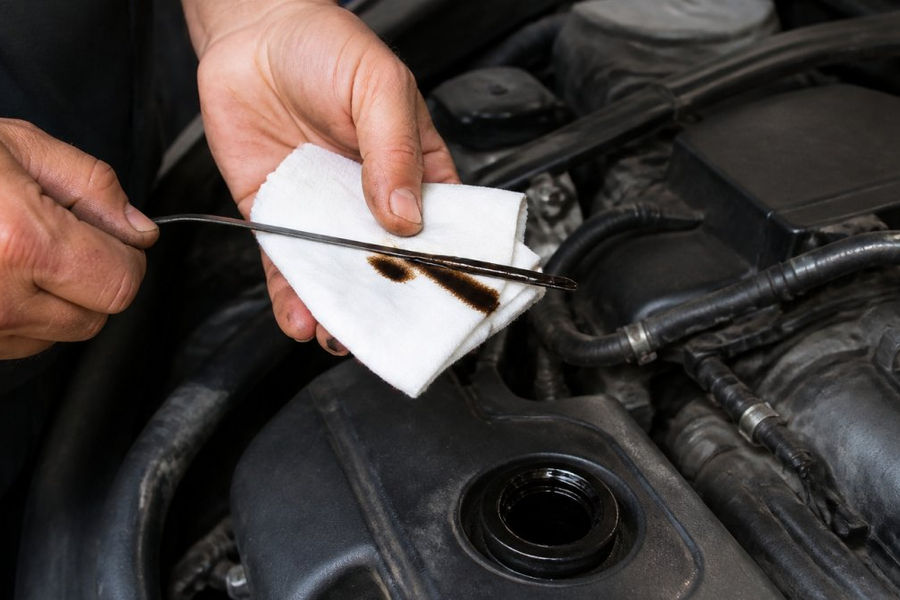
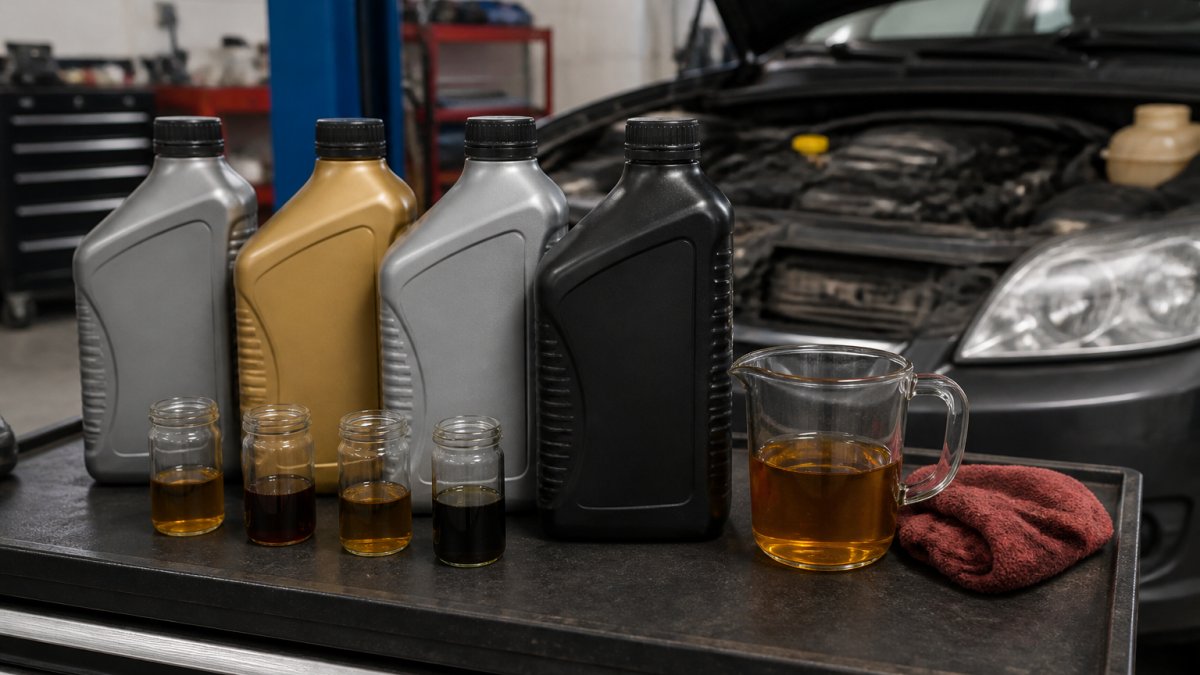
Fresh oil is amber and runs off the dipstick in a thin stream. Sludged oil is black, gritty, and slow to drip. If it smells burnt and feels tacky between your fingers, the oil has broken down and deposits are likely forming inside the engine.
Low Oil Pressure and a Glowing Warning Light
An oil pressure warning light means the pump cannot push oil through the passages fast enough. Sludge narrows those passages and can clog the oil pickup screen, so pressure drops even when the oil level reads full. Treat a flickering light at idle as urgent, not as a sensor glitch.
Ticking, Clicking, or Knocking Noises
Restricted oil flow starves the valvetrain first, which produces a ticking or tapping noise from the top of the engine. Louder knocking from deeper in the block is more serious and points to bearing wear. If the noise is specifically a tick at idle, our guide to diagnosing engine ticking noise when idling walks through the likely causes before you assume sludge.
Overheating, Rough Idling, and Poor Performance
Sludge insulates metal and restricts oil flow, so the engine runs hotter and idles unevenly. You may notice hesitation, a rough idle, or reduced power. Overheating has several possible causes, so read our breakdown of engine overheating symptoms and causes to separate a cooling problem from an oil problem.
Here are the seven warning signs the article lists, with what each one points to.
Sign | What it looks like | What it points to |
Dark, thick oil on dipstick | Black, gritty, slow to drip, tacky | Oil has broken down, deposits forming |
Low oil pressure | Warning light at idle, even with full level | Narrowed passages or clogged pickup screen |
Ticking, clicking, knocking | Tick or tap from top of engine; louder knock deeper | Valvetrain starvation; bearing wear if knocking |
Overheating | Coolant temperature climbing above normal | Sludge insulates metal and restricts oil flow |
Rough idling | Uneven idle, hesitation under acceleration | Restricted oil flow and hotter running |
Reduced fuel economy | Drop without a change in driving habits | Sludge-related performance loss |
Burning smell | Hot, burning oil smell after short trips | Broken-down oil and forming deposits |
Causes of Oil Sludge Buildup: What Actually Turns Oil Into Gel
Skipped oil changes are the leading cause of oil sludge buildup, but they are not the only one. Short trips that never let the engine reach operating temperature, stop-and-go driving, moisture contamination, and using the wrong oil all accelerate the process.
Tech & DIY
A common mistake is assuming low mileage means the oil is fine. Oil degrades with time and heat cycles, not just distance. A car that only does short errands can sludge faster than a highway commuter with twice the mileage.
How to Inspect for Sludge Safely, Step by Step
You can check for early sludge at home in about ten minutes without tools beyond a rag and a flashlight. Work with the engine off and cool, and never open the oil filler cap while the engine is running.
Park on level ground and let the engine cool for at least 30 minutes.
Pull the dipstick, wipe it clean, reinsert it fully, and pull it again.
Check the color and texture: amber and thin is healthy; black, gritty, or syrupy points to breakdown.
Shine a flashlight into the oil filler opening and look for dark varnish or gel on the cap and valvetrain.
Note the oil level. Low oil plus dark oil is a stronger warning than either alone.
Check the service sticker or your records for the last oil change date and mileage.
Watch Out Do not pour flush chemicals into the crankcase based on a dipstick check alone. A dislodged chunk of sludge can block an oil passage and cause immediate damage.
What the Oil Cap Can and Cannot Tell You
Dark residue under the oil filler cap is a useful clue, but it is not proof. A small amount of brown varnish on the cap is common on healthy engines and can come from normal oil vapor. What matters is the pattern: thick, wet gel on the cap, sludge visible on the valvetrain through the filler opening, and a dipstick that reads black and gritty together point toward a real problem.
What a Technician Checks to Confirm Sludge
A visual check from the top of the engine has limits, so a proper diagnosis goes further. Depending on the engine, a technician may:
Pull the valve cover to inspect the valvetrain and camshaft area for caked deposits.
Drop the oil pan to look for sludge at the bottom and inspect the oil pickup screen for clogging.
Check oil pressure with a mechanical gauge rather than relying on the dashboard light.
This is why a sludge diagnosis should not rest on the oil cap alone. The cap is a screening tool; the pan, pickup screen, and pressure test are what confirm severity.
When Not to Open or Touch Anything
Skip the DIY check and go straight to a shop if the engine is hot, the oil pressure light is on, or you hear loud knocking. Never remove the oil drain plug or pan on a hot engine, and do not open the cooling system or oil filler cap while the engine is running. If the dipstick shows metal flakes or the oil smells strongly of fuel, stop driving and arrange service rather than continuing to diagnose at home.
Telling Sludge Symptoms Apart From Other Engine Faults
Sludge symptoms overlap with several unrelated faults, which is why a visual inspection and an oil pressure test matter more than guesswork. A rough idle can come from worn spark plugs or a vacuum leak. A ticking noise can be a failing lifter. Overheating often traces to a stuck thermostat or a weak cooling fan. For a closer look at rough running, see our guide to rough idling causes.
Engine Oil Sludge Removal Cost and What Drives the Bill
Engine oil sludge removal cost depends on severity and how far the deposits have spread. Because every engine is different, a shop should quote after inspecting the vehicle rather than guessing over the phone. What follows is the range of work involved and the factors that move the bill, so you can judge a quote when you get one.
Severity Levels and What Each One Typically Requires
Mild deposits. Dark varnish and early sludge with normal oil pressure. Usually addressed with an oil and filter change, a short-interval follow-up change, and sometimes a mechanic-recommended flush product. Lowest cost tier.
Moderate buildup. Sludge visible in the pan or on the pickup screen, with low oil pressure at idle or a ticking valvetrain. Typically requires dropping the oil pan, cleaning the pickup screen, and flushing the system. Mid cost tier, driven mostly by labor hours.
Severe sludge. Clogged galleries, critically low oil pressure, knocking, or bearing damage. May require major engine work or replacement. Highest cost tier, and the point where driving the vehicle risks catastrophic damage.
Key Takeaway Cost scales with disassembly, not with the price of the flush chemical. A pan drop and pickup-screen cleaning is labor, and major engine work is labor plus parts. Ask for the diagnosis in writing before any work begins.
Why Aggressive Flushes Can Be Risky
A chemical flush is not automatically the right first step. On a heavily sludged engine, an aggressive flush can break loose large chunks of deposit that then travel through the oil passages and clog the pickup screen or an oil gallery, causing immediate oil starvation. Many practitioners recommend diagnosing severity first and letting a mechanic choose the treatment, a gentle flush, a pan drop and manual cleaning, or in severe cases no flush at all until the pan and screen are addressed.
What Drives the Final Bill
Labor hours for disassembly, cleaning, and reassembly.
Parts such as gaskets, filters, and oil.
How much of the engine must be opened to reach the deposits.
Ask for the diagnosis and the recommended treatment in writing, and confirm whether the quote covers a follow-up oil change after the cleaning. A short-interval follow-up change is common after a flush to carry out loosened material.
How to Prevent Engine Sludge From Coming Back
Prevention comes down to three habits: change the oil on the severe-service interval in your owner's manual, use the viscosity and specification the manufacturer lists, and avoid repeated short trips without occasional highway driving. Check the oil level monthly and top off with the correct oil rather than a generic substitute.
If your driving is mostly stop-and-go, shorten the interval rather than stretching it. Our guide on how to extend engine life covers oil change timing, coolant care, and fuel system cleaning in more detail. A clean engine stays clean when the maintenance schedule is followed.
Book a Sludge Inspection Before the Damage Spreads
Sludge rarely fixes itself, and the difference between a flush and an engine replacement is usually how early someone looks. If you have spotted two or more of the signs above, do not wait for the warning light to become a knock.
At Cruiser Auto Repair, our professionally qualified technicians provide comprehensive mechanical services, from routine maintenance to complex repairs. We handle extended warranty repairs directly with providers, and our pricing is transparent and competitive. Book a sludge inspection online and get a clear answer on what your engine needs.
Frequently Asked Questions
How do I know if my engine has sludge buildup?
Start with the dipstick. Clean it, reinsert it, and look at the oil: fresh oil is thin and amber, while engine sludge shows up as dark, gritty, or gel-like coating. Shine a light into the oil filler hole to check for black deposits on the cap and valvetrain. Pair that with a low oil pressure light, ticking noises, or overheating, and the case gets stronger. A shop can assess the vehicle before recommending any repair.
What are the most common causes of oil sludge buildup?
The usual causes of oil sludge buildup are skipped or stretched oil changes, short trips that never let the engine reach full temperature, stop-and-go driving, moisture contamination, and using the wrong oil grade. Oxidation breaks the oil down over time, and the additives that hold dirt in suspension run out. Once that happens, thick oil collects in the oil galleries and pickup screen instead of draining back to the pan. Following the owner's manual interval is the simplest defense.
How much does engine oil sludge removal cost?
Engine oil sludge removal cost depends on how far the buildup has spread. A chemical flush and fresh filter on a mild case is the cheapest route. Moderate cases may need the oil pan dropped and the pickup screen cleaned. Severe sludge that has damaged bearings or clogged passages can run into major repair territory. Ask for the diagnosis in writing first.
Can you get rid of sludge in your engine without a rebuild?
Often yes, if it is caught early. A controlled flush, new oil filter, and a shortened oil change interval can clear mild deposits. Heavier sludge may need the valve cover or oil pan removed for manual cleaning. The risk with aggressive flushes on a high-mileage engine is that loosened debris can block the oil pickup screen or oil passages, which causes low oil pressure and engine damage. Have a technician check oil pressure before and after any flush.
If your oil looks wrong or your dash is glowing, the next step is a proper diagnosis, not a bottle of additive. Get started with Cruiser Auto Repair and schedule an appointment that puts a qualified technician on the problem before minor sludge becomes major engine damage.

Comments