
7 Fuel Efficiency Habits That Cut Commute Costs
Last Updated: October 25, 2026
Quick Summary
Fuel efficiency commuters can save hundreds of dollars annually by adopting simple habits like smooth acceleration, maintaining steady speeds, keeping tires properly inflated, and planning routes to avoid congestion. These techniques require no special equipment and deliver immediate results when practiced consistently.
Smooth acceleration and braking, plus steady speed maintenance, have high impact on fuel consumption with low effort
Proper tire pressure is the easiest maintenance win, requiring only five minutes monthly with no cost
Removing unnecessary weight from your vehicle and shutting off the engine during stops over one minute reduces fuel waste
Route planning to minimize stops and traffic lights often saves more fuel than choosing the shortest distance
Track cost per commute over several tanks to measure real savings and separate actual improvements from seasonal or traffic variations
Table of Contents
Why Fuel Efficiency Matters for Daily Commuters
Fuel-Efficient Driving Tips to Lower Your Gas Consumption
Smooth Acceleration and Braking
Maintaining a Steady Speed and Using Cruise Control
Tire Pressure and Fuel Economy: The Direct Connection
Fuel Efficiency in Stop-and-Go Traffic: Strategic Techniques
Car Maintenance to Improve Gas Mileage
Engine Oil and Air Filter Maintenance
Reducing Unnecessary Vehicle Weight
Route Planning and Avoiding Excessive Idling
Build a before-work route routine
Use idling math to decide when to shut off
Reduce stops, not just distance
Measuring Your Real-World Fuel Savings
Track cost per commute, not just mpg
Separate real savings from noise
Set a realistic baseline and target
Schedule a Fuel Efficiency Check at Cruiser Auto Repair
Frequently Asked Questions
Why Fuel Efficiency Matters for Daily Commuters
Every gallon counts for fuel efficiency commuters who drive the same route five days a week. Deliberate fuel-saving techniques can add up to hundreds of dollars per year.
At Cruiser Auto Repair, we've worked with hundreds of commuters who assumed high fuel bills were unavoidable.
Fuel efficiency for commuters isn't about buying a hybrid. It's about fixing the habits and maintenance gaps that waste fuel every day.
Save one gallon per week and you save roughly fifty gallons per year, significant money back in your pocket, plus less wear on critical components.
Fuel-Efficient Driving Tips to Lower Your Gas Consumption
How you drive determines how much fuel your engine burns. Aggressive driving, inconsistent speeds, and hard braking force the engine to work harder, and fixing these habits takes no special equipment.
Fuel-efficient driving starts with understanding that your engine is most efficient when it operates smoothly and predictably. Every sudden acceleration, hard stop, and speed fluctuation triggers fuel spikes that add up fast.
Smooth Acceleration and Braking
Jackrabbit starts waste fuel immediately: punching the accelerator floods the cylinders with extra fuel that burns inefficiently.
Smooth acceleration means:
Press the gas pedal gradually
Reach your target speed over 5-10 seconds, not 2-3 seconds
Avoid rapid speed changes in traffic
The same applies to braking. Hard braking throws away momentum you already paid for in fuel.

Aggressive acceleration and hard braking also wear out your transmission, brake pads, and engine components faster, leading to costly repairs.
Maintaining a Steady Speed and Using Cruise Control
Constant speed changes force your engine to adjust fuel delivery repeatedly, and each adjustment burns extra fuel.
On highways, cruise control is your best tool: set a moderate speed and it prevents the small fluctuations of manual pedal control.
City driving is trickier, but you can still minimize unnecessary speed changes:
Maintain consistent speed between stops
Don't accelerate just to hit the next red light
Leave space ahead so you can coast to stops
Moderate speeds matter too: driving 65 mph instead of 75 mph noticeably reduces fuel consumption, and every 5 mph above 50 mph costs efficiency.
Tire Pressure and Fuel Economy: The Direct Connection
Underinflated tires create rolling resistance, forcing your engine to work harder. Properly inflated tires are the easiest maintenance win for fuel savings.
EaziDIY
Check your tire pressure monthly.
Many drivers ignore tire pressure until a warning light appears, by which point they've burned extra fuel for weeks.
Cold weather drops tire pressure naturally, so check your tires more frequently in winter; slight warm-weather increases are normal.
A tire maintenance guide from the National Highway Traffic Safety Administration confirms that properly inflated tires improve fuel economy and extend tire life.
A quality digital gauge is inexpensive and more accurate than a stick gauge. If your tire pressure monitoring system light is on, learn how to fix it to restore accurate readings.
Fuel Efficiency in Stop-and-Go Traffic: Strategic Techniques
City commutes and congested highways create constant acceleration and braking cycles, burning fuel inefficiently as your engine shifts between power outputs.
Key techniques for stop-and-go conditions:
Leave larger gaps between vehicles so you can coast to stops
Anticipate traffic patterns ahead, watch brake lights three or four cars ahead
Avoid sudden lane changes that require acceleration
Excessive idling is a hidden fuel drain, drivers leave engines running while waiting for passengers, in drive-throughs, or in traffic.
Plan your route to avoid congestion: a slightly longer route with free-flowing traffic often burns less fuel than a shorter one through gridlock.
Car Maintenance to Improve Gas Mileage
Your vehicle's mechanical condition directly affects fuel consumption. A poorly maintained engine works harder and burns more fuel. Neglected maintenance compounds the problem over time.
Regular maintenance isn't just about preventing breakdowns, it keeps your engine efficient. Learn how to budget for regular vehicle maintenance costs so you can plan for the fuel efficiency improvements discussed. Dirty components force the engine to compensate, increasing fuel consumption.
Engine Oil and Air Filter Maintenance
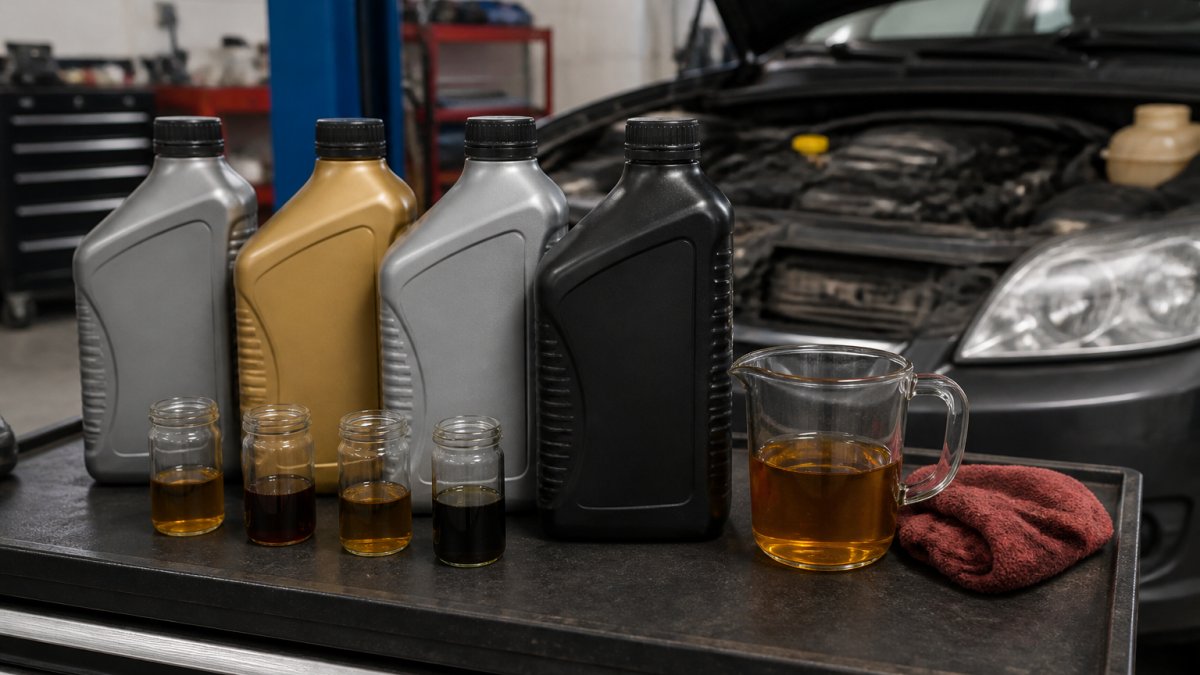
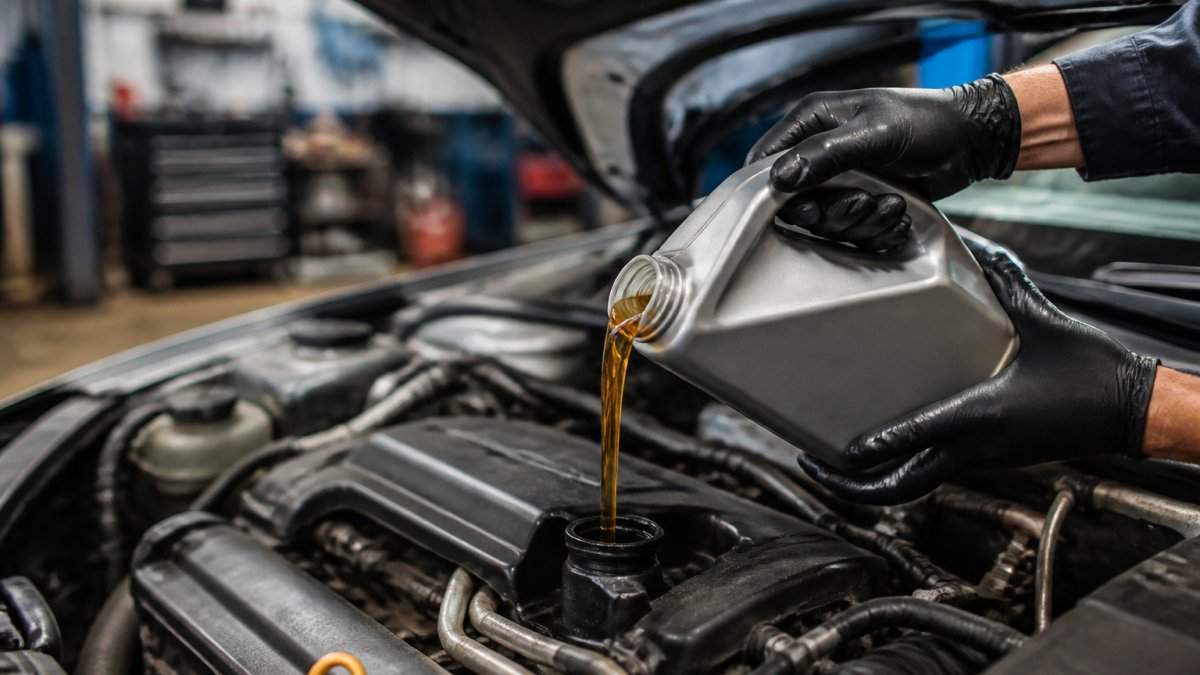
Fresh engine oil reduces friction; dirty oil thickens and creates drag. Discover the benefits of routine vehicle maintenance and how scheduled service connects to fuel efficiency gains beyond these individual maintenance tasks.
Air filters prevent dirt from entering the engine. A clogged air filter restricts airflow, which forces the engine to run rich, burning extra fuel to compensate.
Both tasks are inexpensive and have immediate effects on fuel consumption.
Spark plugs also affect fuel efficiency. Replacing them is a straightforward maintenance task that improves efficiency and performance. Master engine care best practices with detailed guidance on preventative maintenance and fluid checks that support fuel efficiency.
Reducing Unnecessary Vehicle Weight
Extra weight forces your engine to work harder. Every pound in your trunk requires fuel to move. Remove items you don't need for your commute.
Common weight drains:
Tools and equipment you rarely use
Old car seats or cargo carriers
Extra fuel cans or spare parts
Roof racks create aerodynamic drag even when empty. Remove them when not in regular use; if you need one, keep it clean and simplified, since dirty or poorly configured racks create more drag.
This doesn't mean traveling with an empty car, keep emergency supplies and necessary tools. But every unnecessary item costs you fuel.
Route Planning and Avoiding Excessive Idling
Route planning is where commuters have an advantage: you drive the same trip repeatedly, so you can test and lock in a better route instead of guessing every morning. Most advice stops at "use a mapping app." A commuter-specific plan goes further.
Build a before-work route routine
Do the route decision before you start the engine, not while you're pulling out of the driveway:
Check two route options the night before or before leaving. Compare predicted travel time and, more importantly, the number of stops and lights. A route with free-flowing traffic usually burns less fuel than a shorter route through gridlock.
Pick a primary and a backup. Know your alternate before traffic changes so you are not idling in a parking lot deciding.
Time your departure around peak congestion. Leaving ten minutes earlier or later can mean the difference between rolling traffic and stop-and-go. Test this over a week and keep the departure window that produces the smoothest trip.
Use idling math to decide when to shut off
Idling burns fuel at roughly a quarter gallon per hour in many vehicles, and that cost is pure waste because you are covering zero miles. A practical rule most drivers can apply:
If you expect to be stopped for more than about a minute, long lights, a slow drive-through, waiting for a passenger, shut the engine off.
For very short pauses, restarting can use more fuel than a brief idle, so use judgment rather than shutting off at every light.
Modern engines do not need a long warm-up. They reach operating temperature faster under light driving than while idling, so start gently and drive rather than sitting in the driveway.
Pro Tip Treat route choice as a recurring decision, not a one-time one. Traffic patterns shift with school schedules, seasons, and construction, so re-check your primary route every few weeks and keep the option that produces the fewest stops.
Reduce stops, not just distance
Stop-and-go driving is the enemy of fuel efficiency because every acceleration costs fuel that braking then throws away. When comparing routes, weight the number of stops and lights heavily, a slightly longer route with better flow often wins on both fuel and time.
Avoid unnecessary lane changes that require acceleration, and leave a larger gap ahead so you can absorb traffic waves without constant braking. The better your route, the fewer stops you have to manage.
Measuring Your Real-World Fuel Savings
Most fuel-saving guides tell you what to do but never show you how to prove it worked. For a commuter, measurement is the difference between guessing and knowing.
Track cost per commute, not just mpg
Your dashboard fuel-economy display is a helpful estimate, but it is not precise and it does not tell you what a commute costs. Manual fill-up math does:
Fill the tank and record the odometer reading.
At the next fill-up, record the odometer again and the gallons added.
Divide miles driven by gallons used to get your real fuel economy for that tank.
Divide the dollars you spent by the number of commute trips in that tank to get a cost per commute.
Cost per commute is the number that matters to a daily driver, because it ties fuel economy directly to your actual routine and to pump prices. Track it for two weeks before changing habits, then again after, and compare like with like.
Separate real savings from noise
Fuel economy moves for reasons that have nothing to do with your driving. Before you credit a new habit, account for the variables:
Weather and season. Cold starts, lower tire pressure in cold weather, and denser air all raise fuel use. Winter fuel economy is commonly 10-15% worse than summer, so compare similar seasons or note the weather alongside each tank.
Route and traffic changes. A new construction detour can swamp the effect of smoother driving. Note your route on each entry.
Load and climate control. Carrying passengers or cargo, or running the air conditioning heavily, changes consumption.
A simple log, date, odometer, gallons, dollars, route, and weather, turns vague impressions into a trend you can trust.
Key Takeaway Measure cost per commute over several tanks, not one. A single tank is noisy; a four-to-six-week trend shows whether your changes are actually saving money.
Set a realistic baseline and target
Use your own tracked numbers as the baseline rather than a generic mpg figure. Then set a modest target, for example, improving your cost per commute by a small, steady margin over a month, and change one habit at a time so you can see which one moves the number. Tire pressure and smooth driving are the easiest to test first because they cost nothing and show up quickly in the data.
Schedule a Fuel Efficiency Check at Cruiser Auto Repair
Fuel efficiency starts with a well-maintained vehicle. Small maintenance gaps compound into larger fuel consumption problems.
Our team performs comprehensive checks on engine oil condition, air filters, tire pressure, and spark plug condition.
We also offer transparent pricing on all maintenance work, no surprises, no pressure to fix things you don't need. Schedule your fuel efficiency check and let our professionally qualified technicians show you where your fuel is going.
Fuel Efficiency Habit | Impact on Consumption | Effort Level |
Smooth acceleration and braking | High | Low |
Maintaining steady speed | High | Low |
Proper tire pressure | High | Very Low |
Avoiding excessive idling | Medium | Low |
Route planning | Medium | Low |
Regular oil and filter changes | Medium | Medium |
Removing unnecessary weight | Low | Very Low |
Real fuel savings require consistency. One good driving day doesn't move the needle.
Start with tire pressure and smooth driving habits, these require no money and deliver immediate results.
U.S. Department of Energy fuel economy tips
Frequently Asked Questions
How can I improve fuel efficiency for my daily commute?
Focus on smooth acceleration and braking, maintain steady speeds, keep your tires properly inflated, and plan routes that avoid traffic congestion. Regular vehicle maintenance, including oil changes and air filter checks, also improves fuel efficiency. These habits combined can reduce fuel consumption by 10-15% on your daily commute.
How does tire pressure affect fuel economy?
Underinflated tires increase rolling resistance, forcing your engine to work harder and consume more fuel. Check your tire pressure monthly and inflate to the manufacturer's recommended PSI (found on your driver's door jamb). Properly inflated tires can improve fuel economy by 3% or more.
What's the best way to save fuel in stop-and-go traffic?
Avoid aggressive acceleration and hard braking. Anticipate traffic flow, coast when possible, and maintain gentle speed changes. Leave extra distance between vehicles so you can brake gradually. Plan commute routes during off-peak hours when possible to minimize stop-and-go driving and reduce fuel waste.
Can regular car maintenance really improve gas mileage?
Yes. Fresh engine oil reduces friction, clean air filters improve engine efficiency, and properly aligned wheels reduce drag. A well-maintained vehicle consumes less fuel than one with worn components. Schedule routine maintenance at Cruiser Auto Repair to keep your vehicle running efficiently and catch issues before they impact fuel economy.
SCHEDULE YOUR APPOINTMENT
Add cruiserrepair.com as a preferred source on Google →

Comments